Why the long video comes first
YouTube shares ad money with channels in its Partner Program. To join, a channel needs 1,000 subscribers and either 4,000 hours of watch time on long videos in the last 12 months or 10 million Shorts views in the last 90 days. Those are YouTube's own published rules, and they can change, so check YouTube's help page before you plan around them.
For a new channel the watch hour path is the realistic one. A Short is watched for a few seconds. A 20 minute film that holds a viewer for eight minutes gives you as much watch time as hundreds of Short views, and Shorts views do not count toward the 4,000 hours at all.
Long videos also earn more once you are in. A video of eight minutes or more can carry ads in the middle, and long videos usually pay much more per view than Shorts do.
What Shorts are for
Shorts are the best way to be found. YouTube shows them to people who have never heard of you, and a good one can bring in new subscribers within days. That is their job in this plan: they are trailers.
So every Short should come from the film and lead back to it. Use your strongest moments, such as a slap or a reveal, and end before the answer. Then pin a comment with the film's link, set the film as the Short's related video, and say in the title or caption that the full story is on the channel.
- Cut Shorts from the film you already made, so they cost almost nothing extra.
- End each Short on a question the film answers.
- Link every Short to the full film.
A story channel you never appear on
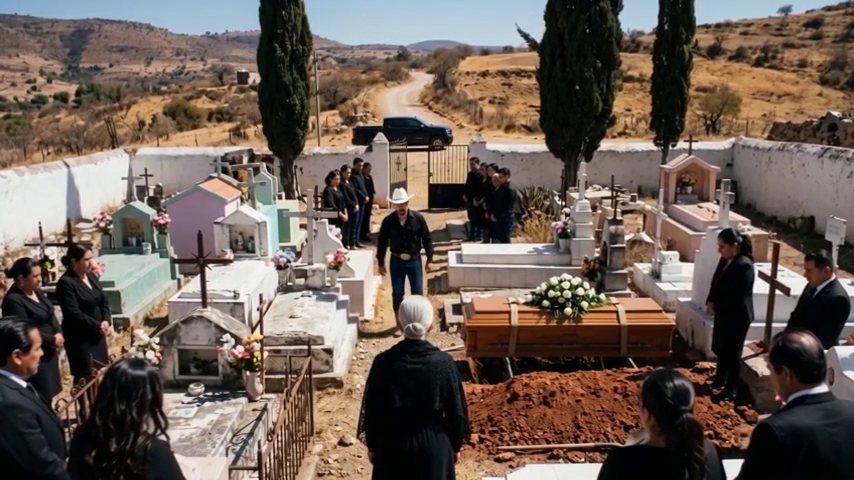
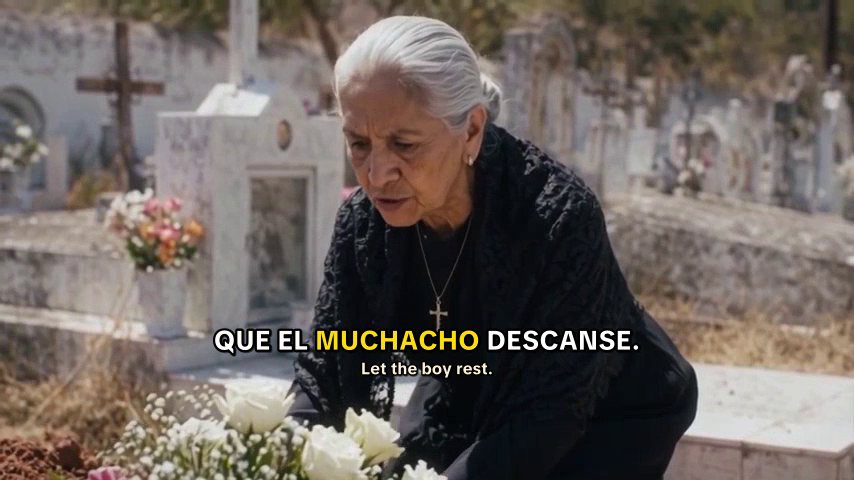
Many channels that make money never show their owner. Story channels are a good fit for that, because viewers come for the characters. With ShowMaker the actors, voices, sets and music are all made in the studio, so you can run the channel without a camera, a cast or a location.
What viewers still need is a good story. YouTube's monetization rules turn down channels that post mass produced or repetitive videos, and it asks creators to label realistic AI content when they upload. A film you wrote, cast and directed yourself is original work, and that is what the program is built to pay for.
What a film costs to make
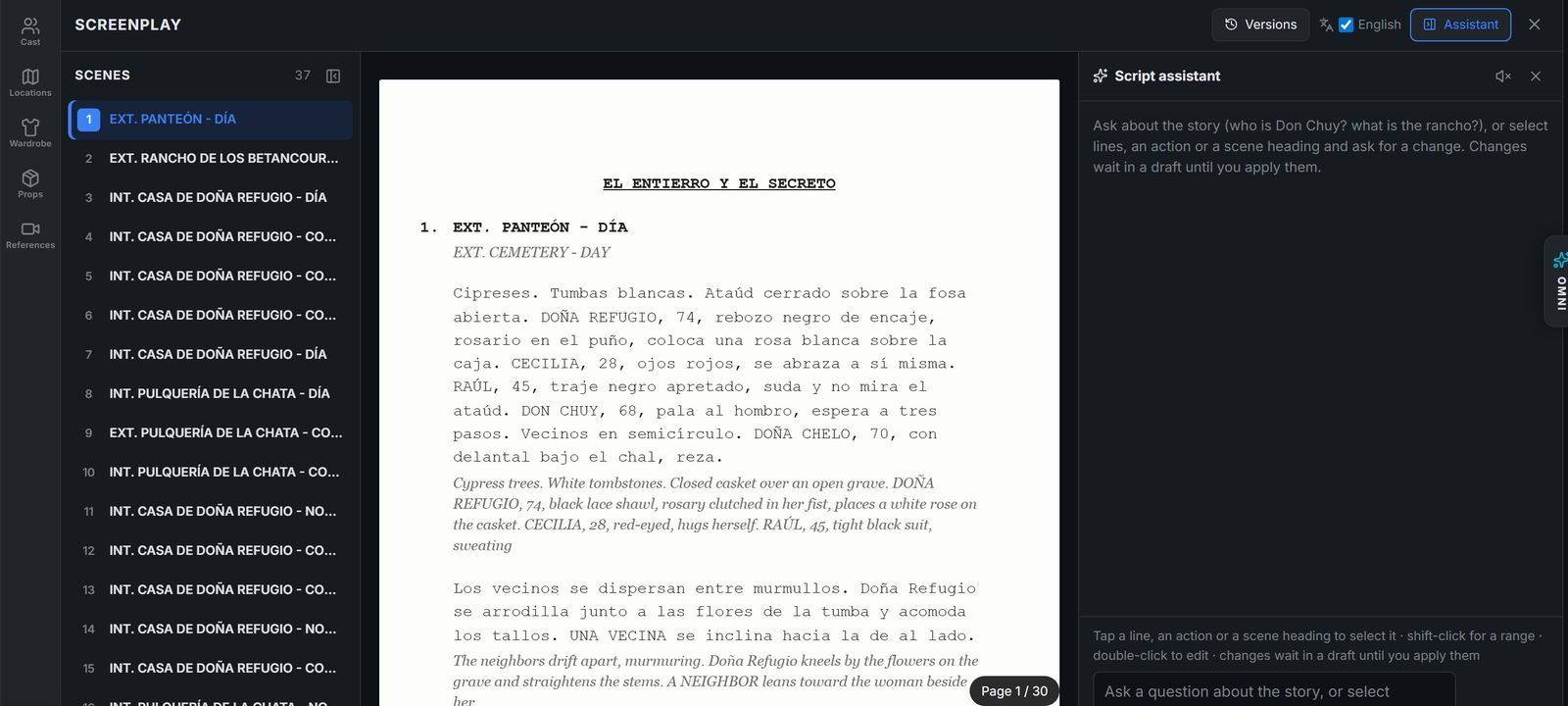
Most of the cost of an AI film is video rendering, and most wasted money is rendering a scene you later cut. That is why this plan puts the script first. Trimming a film in the Screenplay editor costs nothing, and the free animatic lets you watch the whole thing with stills and voices before you render a single shot.
When you do render, you choose the model and resolution per shot, and you only render the shots that need motion. Our cost guide walks through real numbers per minute.